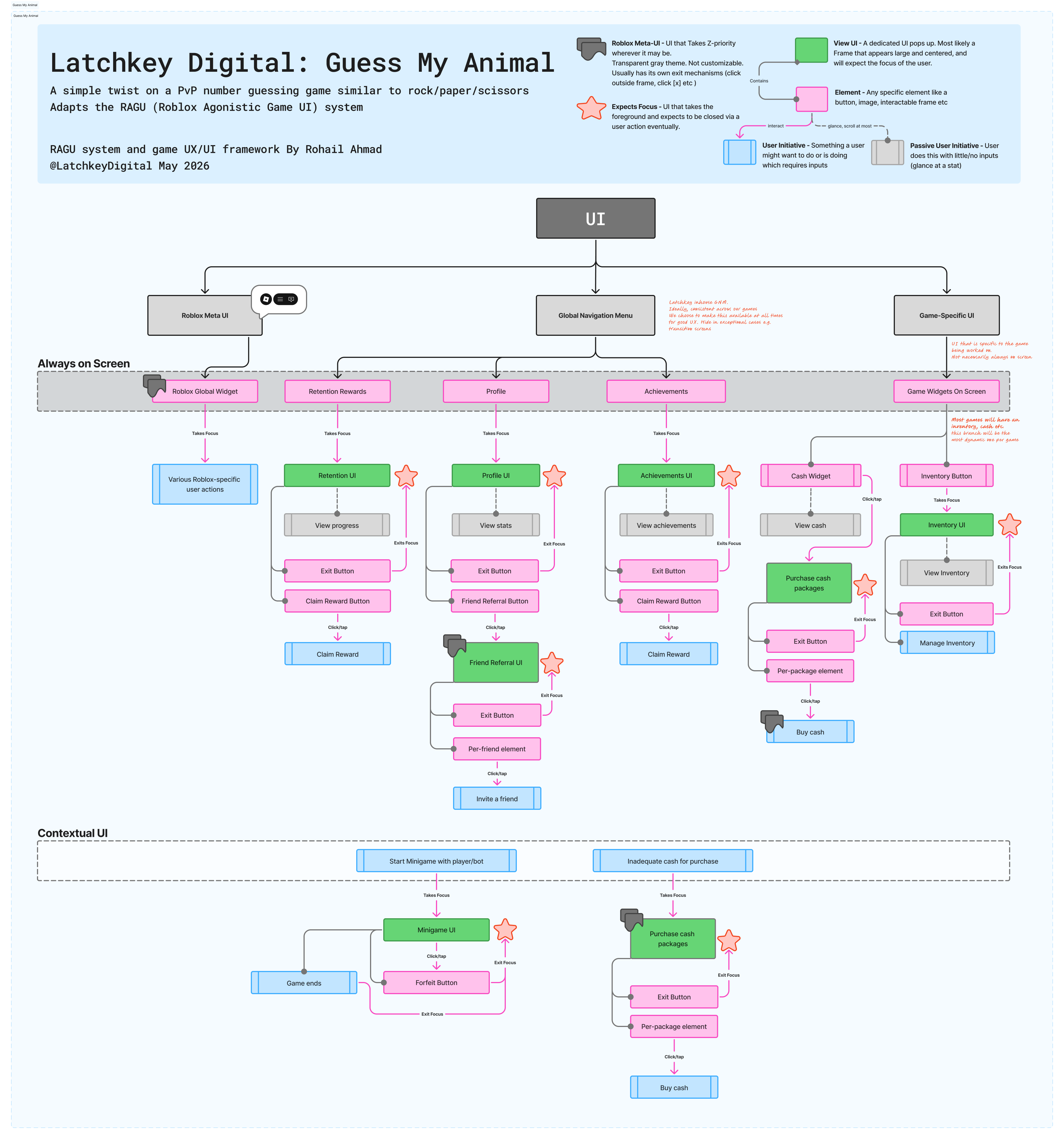
A scaling framework and component hierarchy designed at Latchkey Digital. Built once, deploys across phone, tablet, and TV — and across every game on the studio's shared infrastructure.
Role
UI/UX Designer (part-time)
Team
Small collective on shared Roblox infrastructure
Platform
Roblox — phone, tablet, TV
Tools
Figma, Roblox Studio, Claude + MCP
Duration
Mar 2026 – present
Status
In production; first game (Guess My Animal) shipping through it
Setup
Latchkey Digital makes quick-turnaround Roblox games on shared infrastructure. The studio's portfolio is built for speed: new games launch in weeks, share core systems, and need to run cleanly across the platform's main devices — overwhelmingly mobile, but also tablet and TV.
A per-game UI system, rebuilt every time, doesn't fit that pace. I designed RAGU (Roblox Agnostic Game UI) as the substrate: a scaling framework plus a reusable component hierarchy that any new game plugs into and inherits from.
What I did — 01
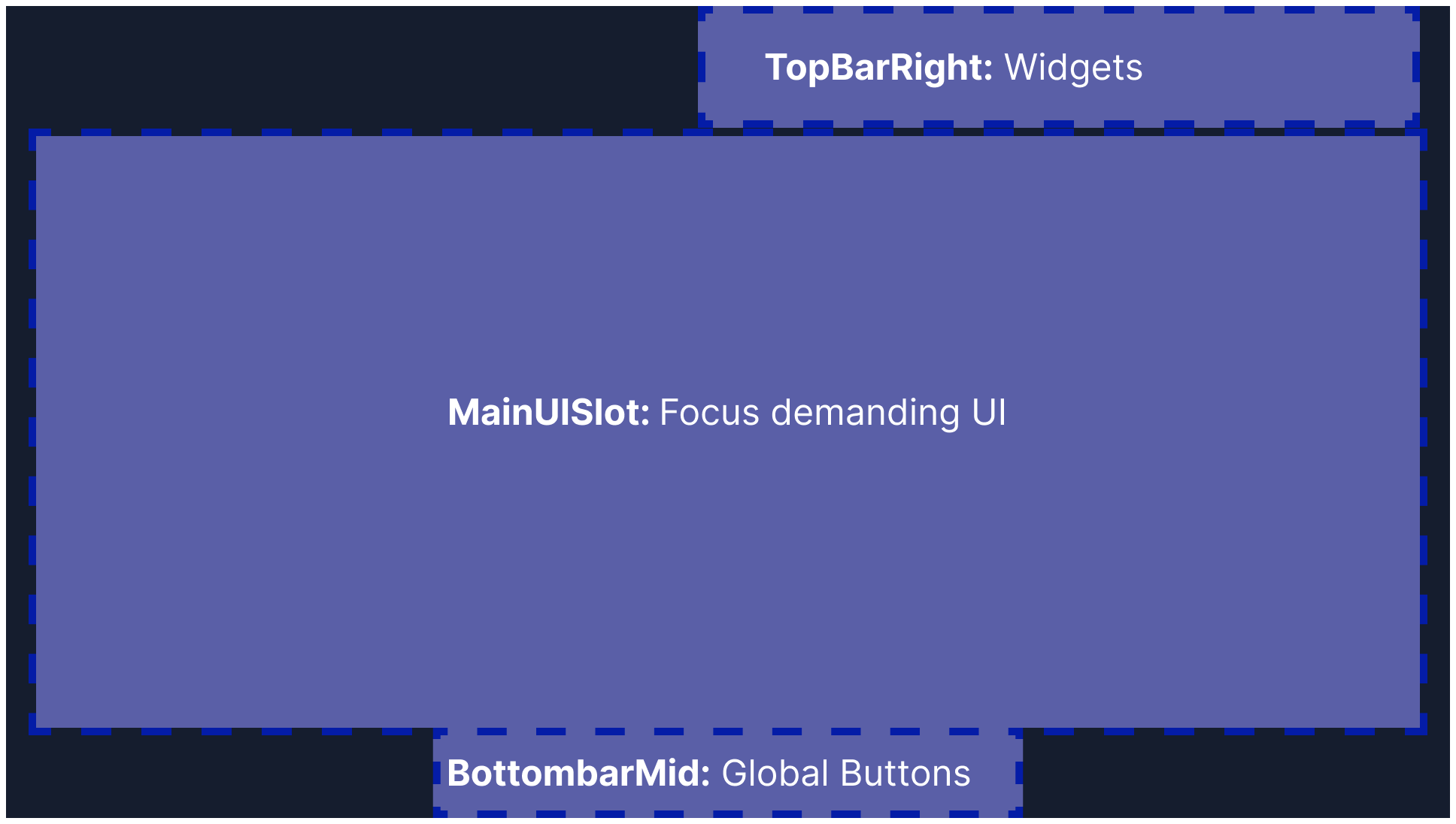
The base layout is 16:9 with three named slots: BottombarMid (global nav), ButtonAreaRight (context widgets like Cash and Inventory), and MainUISlot (the active View UI). Respect the slot contract and the layout scales correctly across every supported device — Roblox's mobile-heavy player base included.
What I did — 02
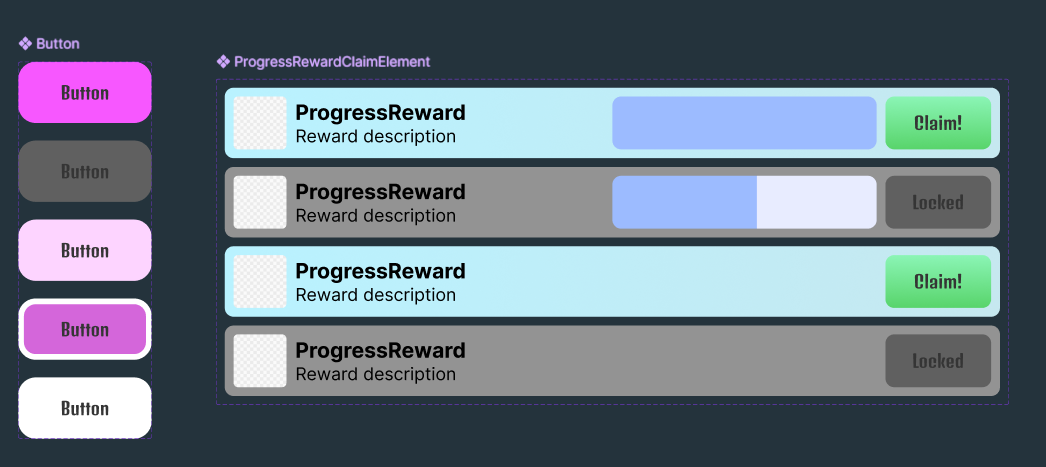
"Make a runway" for the AI by designing standard components manually in Figma, then assembling the source-of-truth elements into components with variants. Control over launch-fidelity polish stays with me this way.
What I did — 03
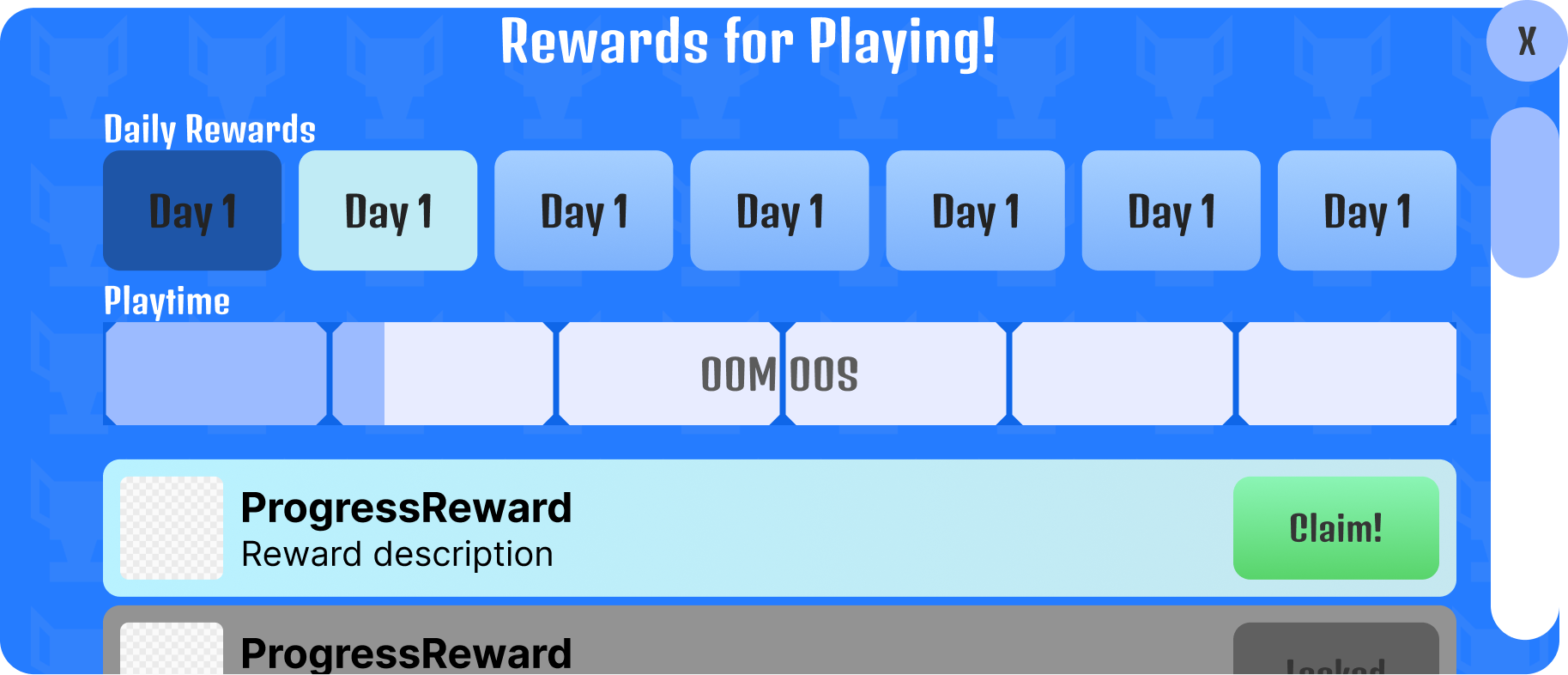
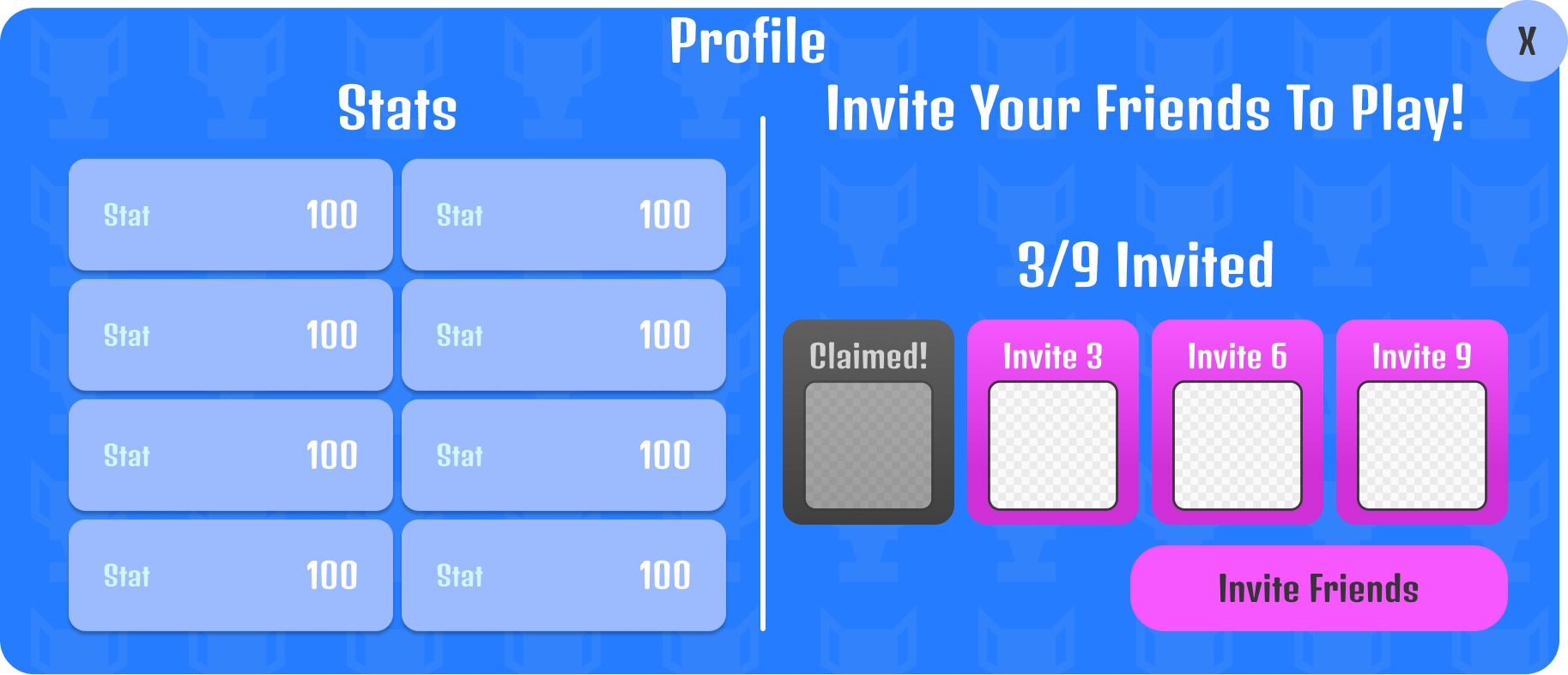
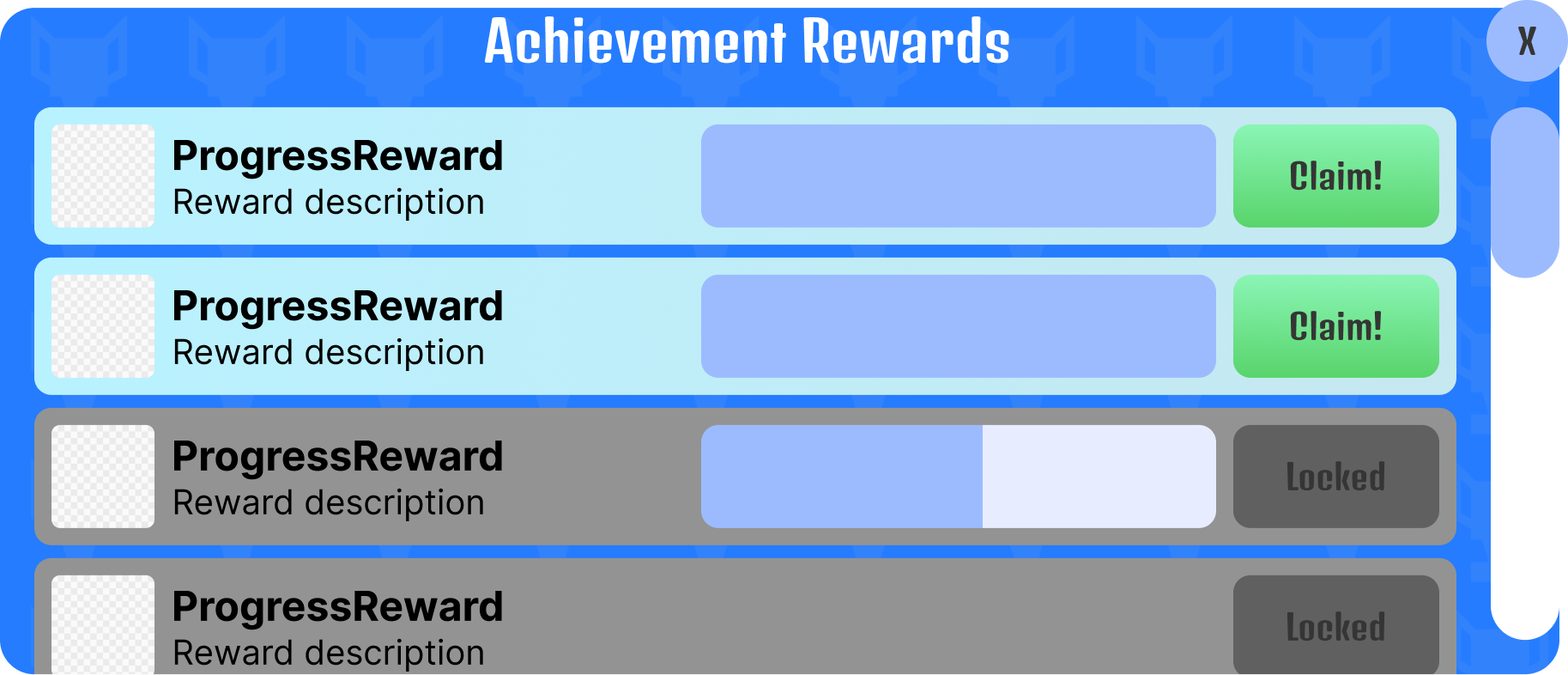
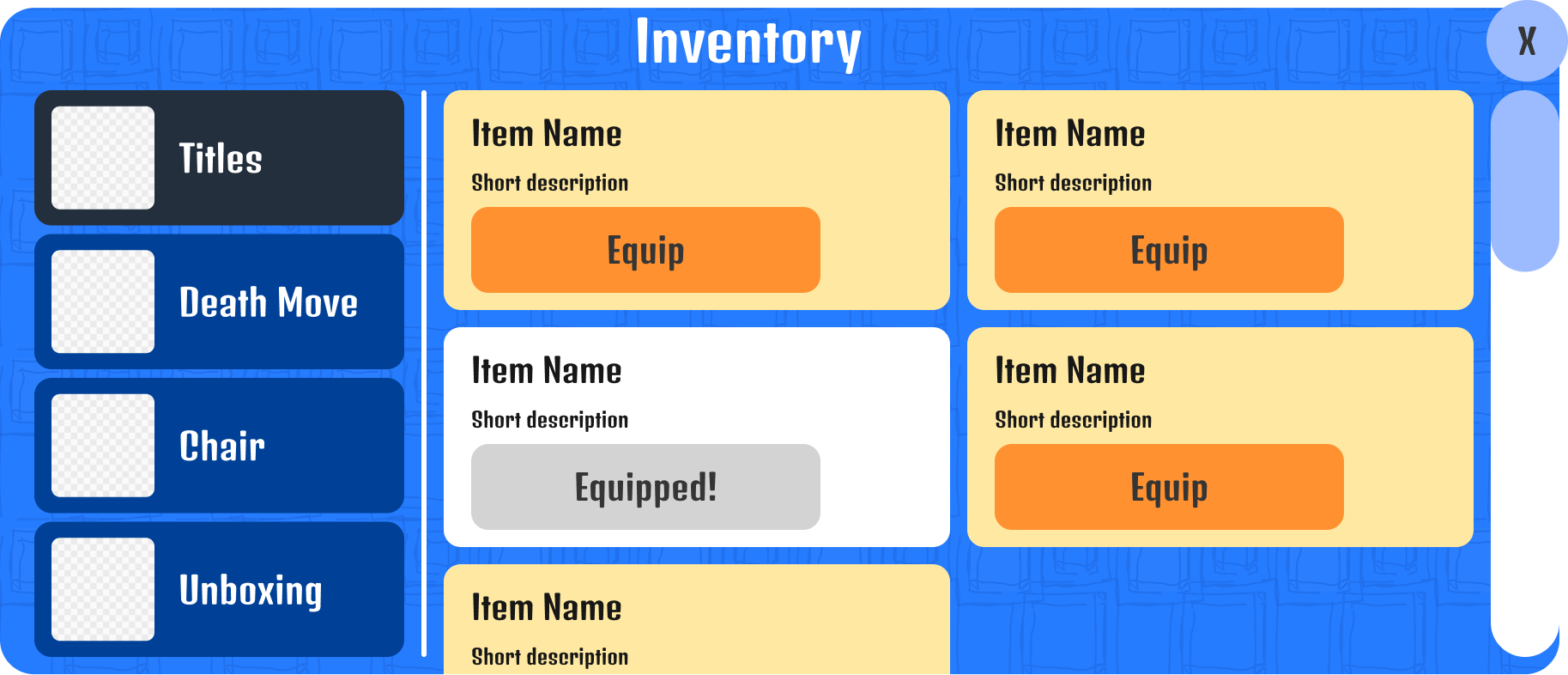
The View UIs do the actual work of a session — Retention, Profile, Achievements, Inventory etc. None of them are bespoke to one game. Drop them into the next game in the roadmap; the structure carries. RAGU has space for pretty much anything.
What I did — 04
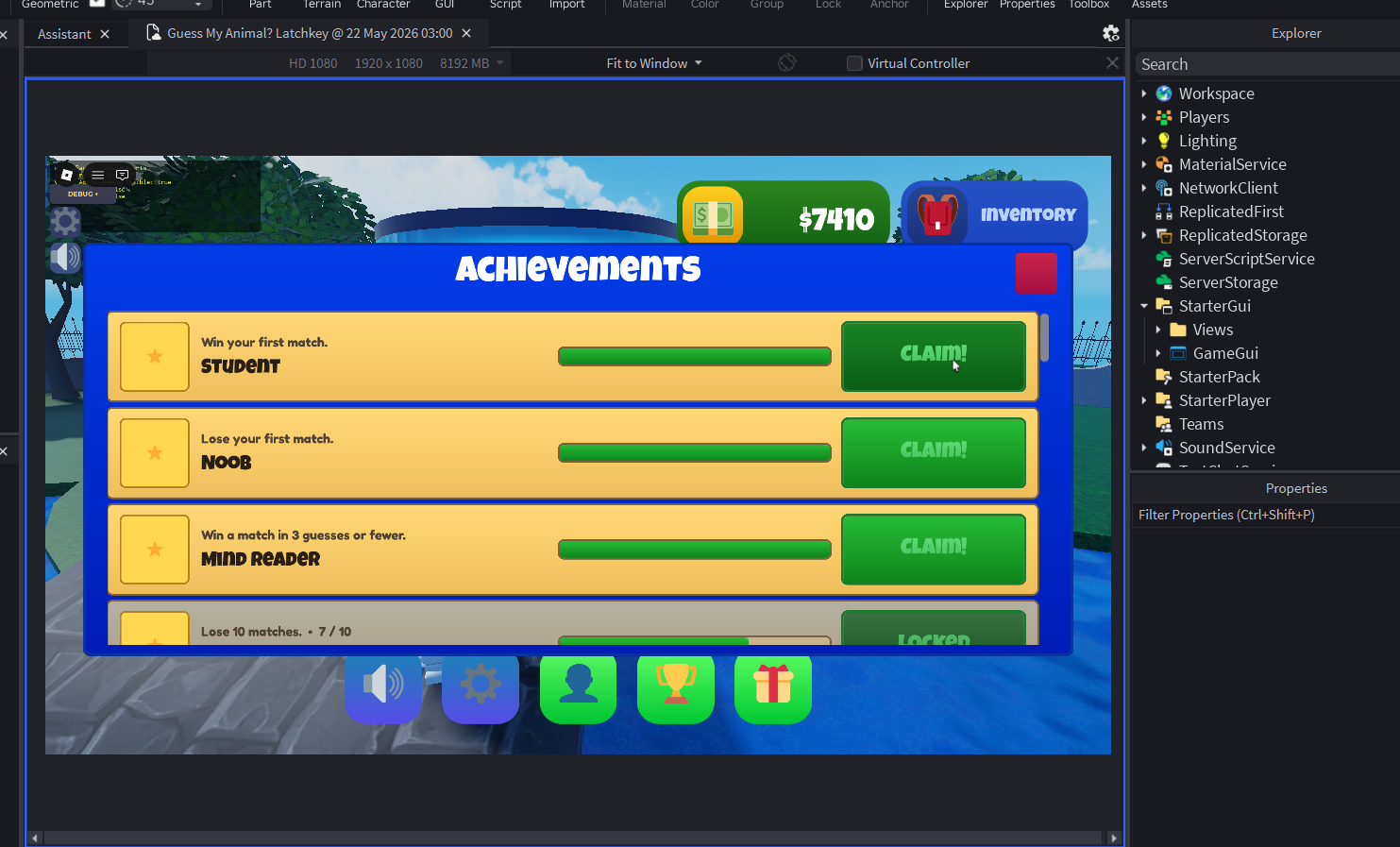
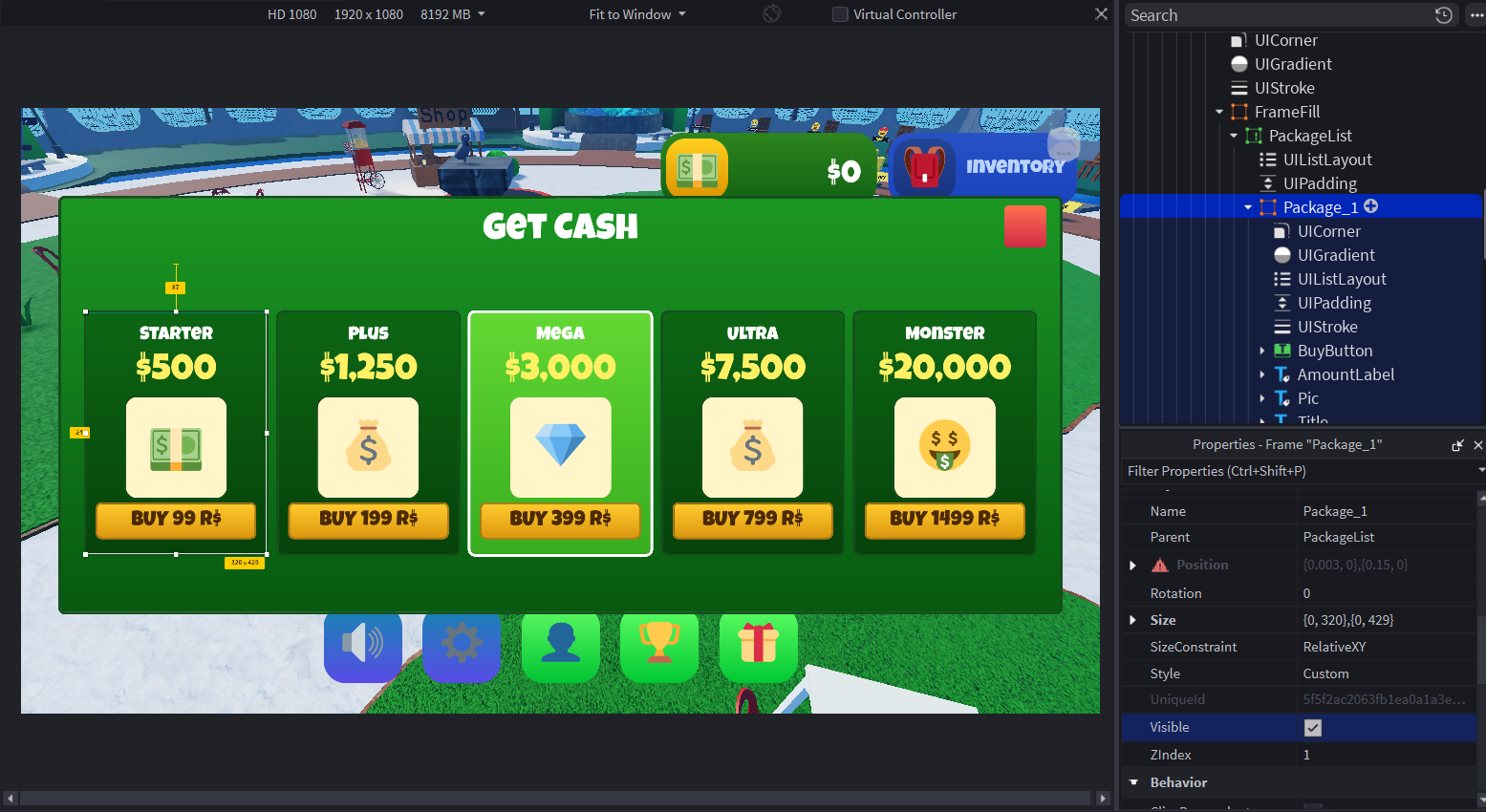
The Roblox Studio captures show the structure surviving translation from Figma to engine, with the explorer panel revealing the nesting hierarchy intact.
Conclusion
A good system will produce good screens. This is that, in production, on a platform with real constraints. AI works best with pointed, deliberate tasks. I consistently produce systems that solve the bigger problem
What shipped
RAGU is in production at Latchkey. The first game shipping through the system is Guess My Animal, a PvP number-guessing game. Other games on the studio's roadmap inherit the same framework. The Claude + MCP pipeline (next case study) operates on top of RAGU — it works because RAGU is strict about structure.