A two-weekend build at Thirdverse that turned manual store-rotation database updates into a self-validating pipeline. Hundreds of items shipped through it.
Role
Sole UX designer, X8 — taking on the in-game shop database as a secondary role
Team
Built solo; used by the X8 team weekly
Platform
Internal tooling — Google Sheets + Google Forms
Tools
Google Sheets (VLOOKUPs, validation), Google Forms (entry)
Duration
Two weekends, mid-2024
Status
In production at Thirdverse; ran the weekly store rotation pipeline
Setup
While shipping UX on X8, I took on a secondary role: managing the in-game shop database — gun skins, splats, bundles, weekly store rotations. The hand-off from old to new featured items happened weekly, and the existing process was manual entry into a large MasterData sheet. It was slow. It was error-prone. Cross-referencing IDs by hand caused real bugs.
This is where I come in. We were doing this manually, but I knew there was a better way. I made what eventually turned out to be a serious internal tool that saved us loads of time.
What I did — 01
A form ensured the incoming stream of information were all found in rows that automatically appeared on the Google sheet.
What I did — 02
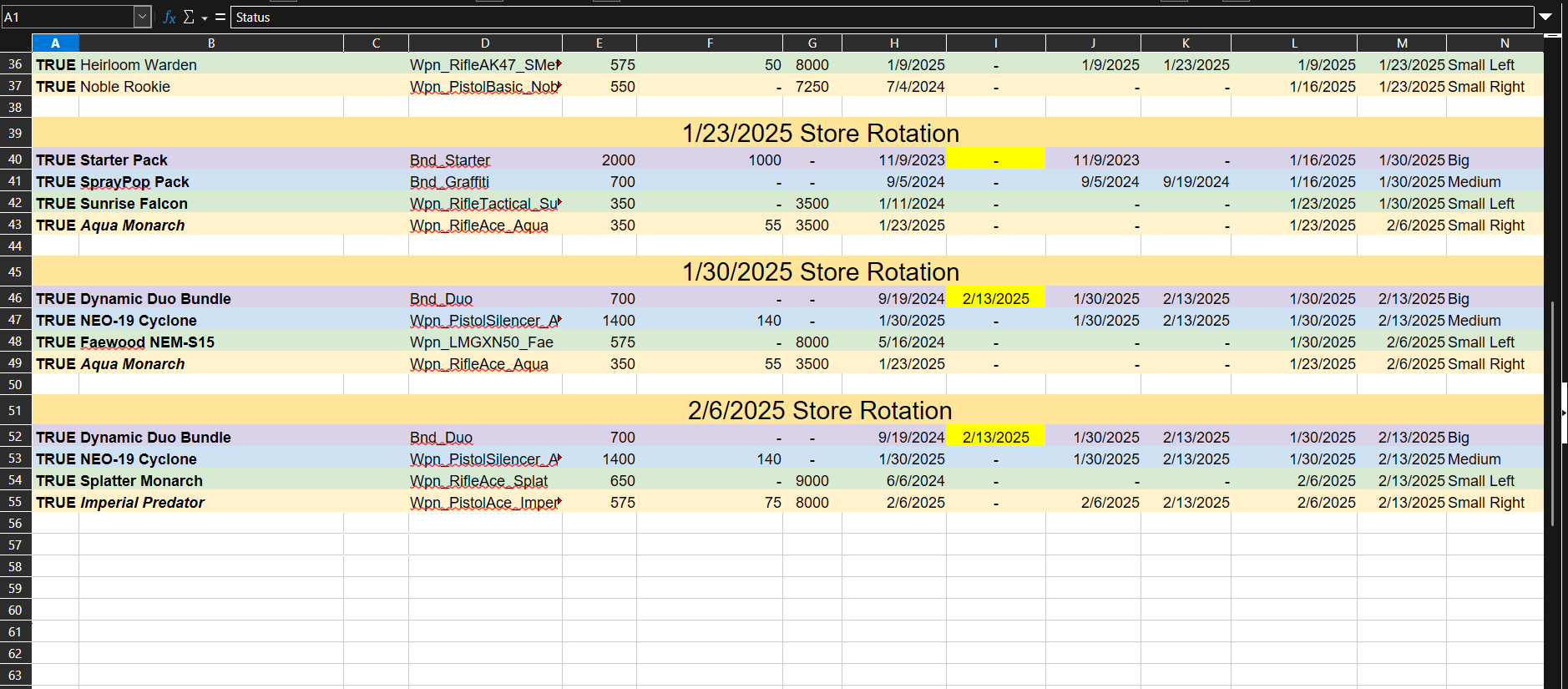
Weekly store rotations laid out side by side, colour-coded by week. The sheet was the rotation schedule — past, current, upcoming all visible at once. No separate planning doc; the planning happened in the same place the data lived. There are several hidden pages and many ArrayFunctions making this spreadsheet work. Most if it involves adding new rows per item we want to introduce and generating sequential keys to be used in various parts of the game engine by various systems, most of which had to do with monetization and the in-game store.
What I did — 03
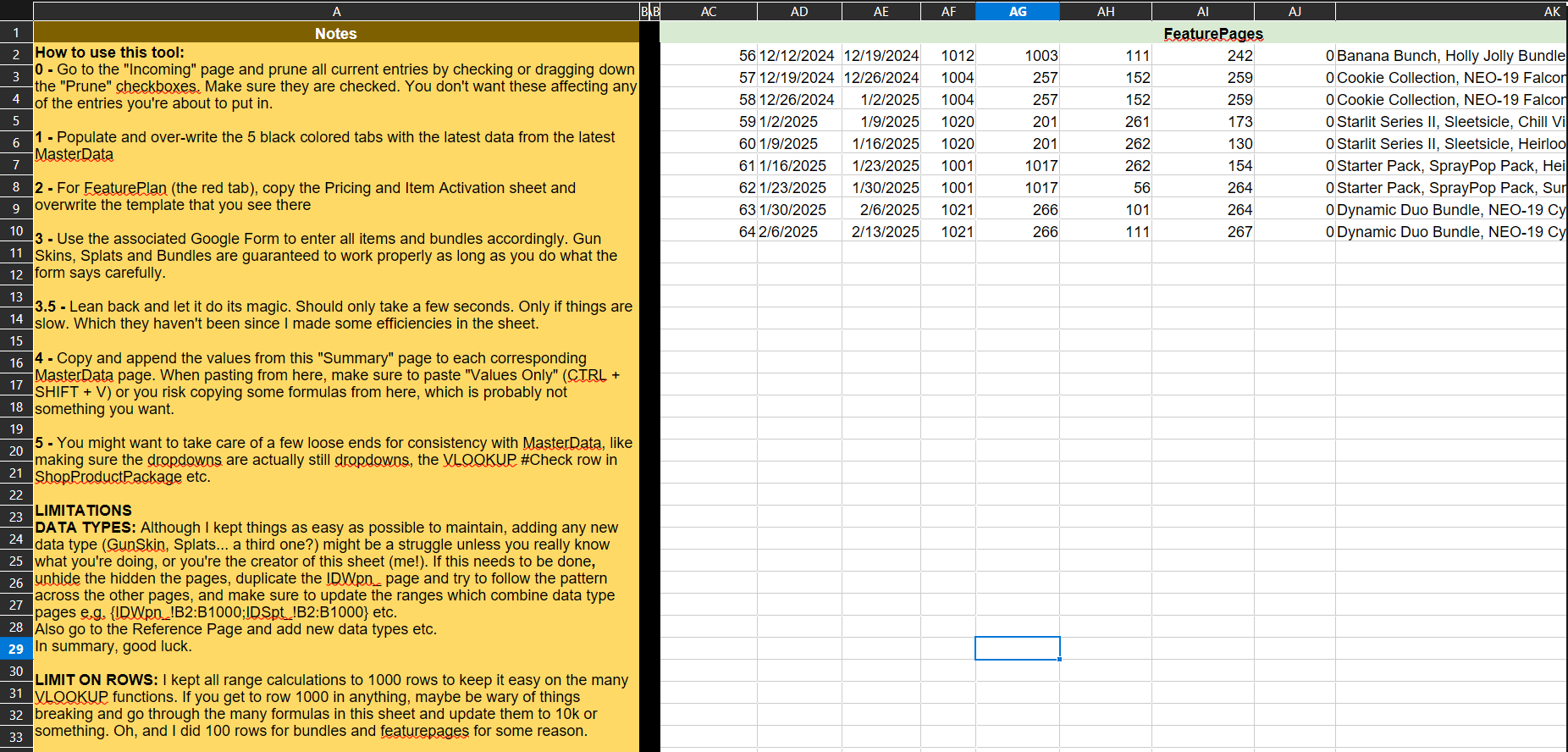
Once a week's entries were validated, the Summary tab produced the clean values that pasted directly into MasterData. The sheet also held a written walkthrough — “how to use this tool” — with limitations called out explicitly.
What I did — 05
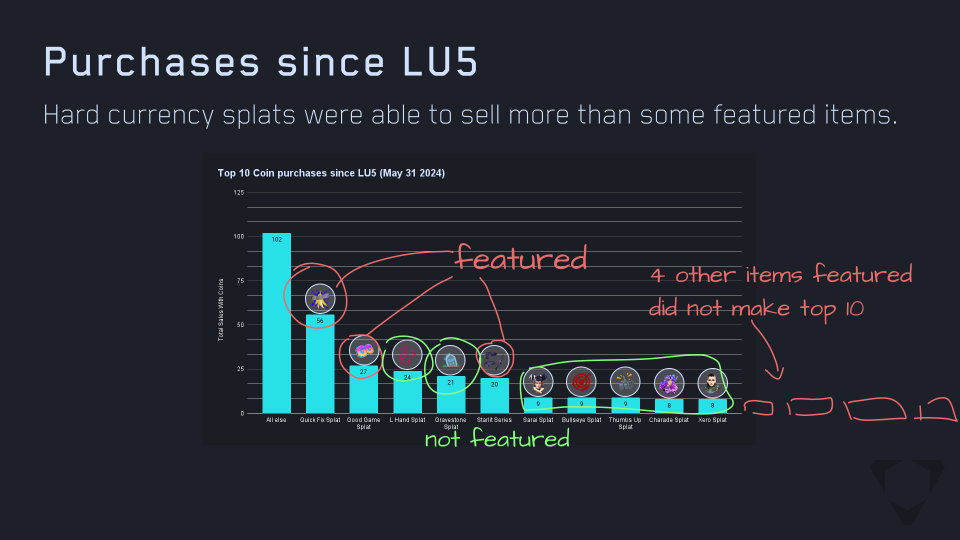
The validated data feeding this pipeline also fed the weekly monetisation decks I delivered to the team (next case study). Same source of truth, different downstream artifacts.
What shipped
Hundreds of items moved through the Master Data Helper after it was built. It ran the weekly store rotation pipeline at Thirdverse until I left. The reduction in manual error and engineering hand-holding was meaningful enough that the tool itself became the procedure.
Conclusion
Senior designers don't just design screens. They identify process pain, build the fix, document it so it survives the next person, and accept that the result is, in this case, a spreadsheet, not a product surface. The point of putting a Google Sheet in a UX portfolio is that the systems-design instinct is the same instinct. This was UX for our team, in a way.